Types Of Teeth Caps And How To Take Care Of Them
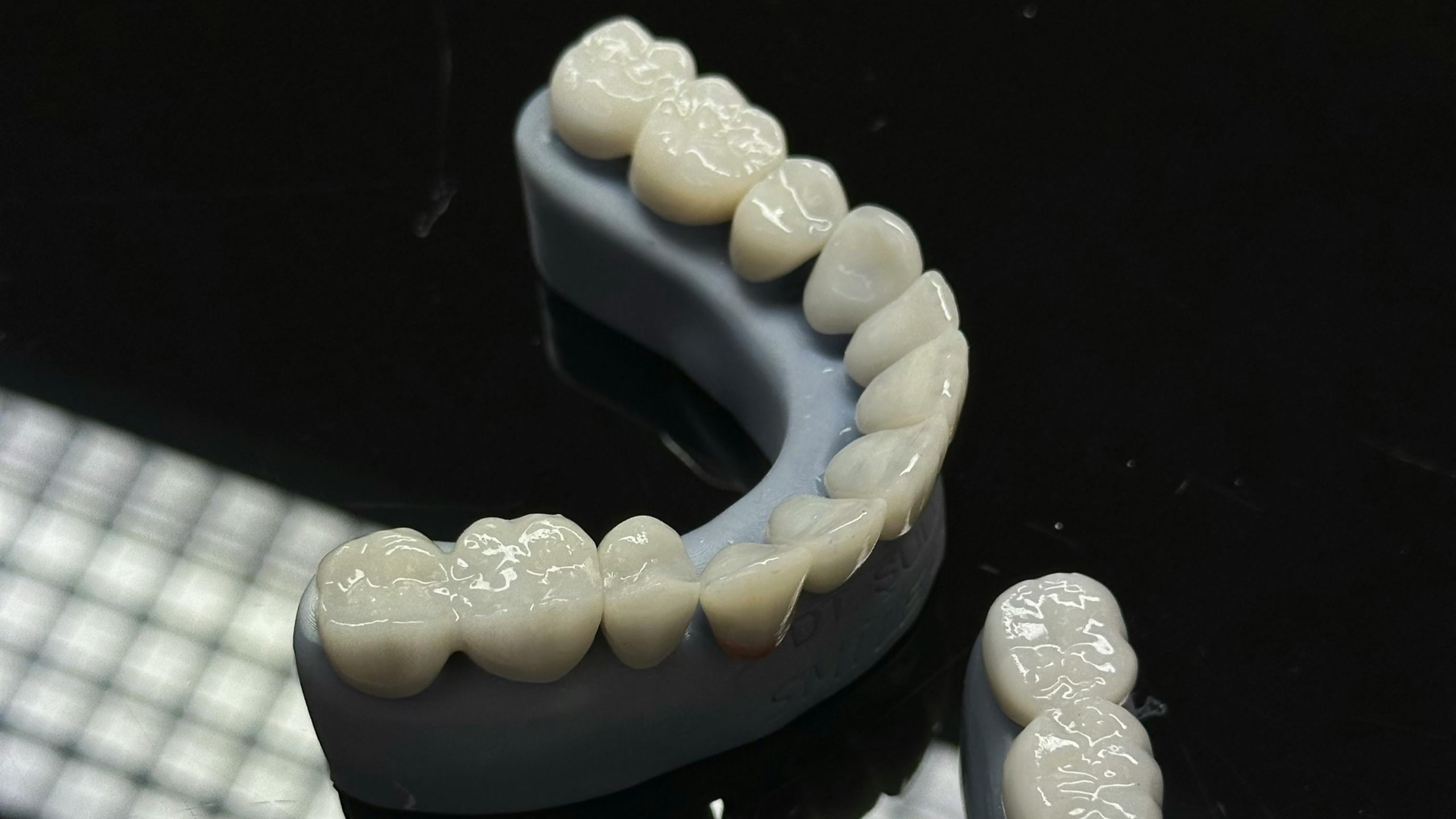
When a tooth is extremely damaged, cracked or is filled more than it is natural, a cap (also known as a crown) is one of the easiest ways to stabilize the teeth. A cap is designed to cover the entirety of the exposed part of a tooth to give it strength, shape and support. Many people think that all caps are created equal, however, there are a number of different types, and the type that works best depends on the type of issue, the tooth’s placement and patient preference.
It’s always best to consult before determining which type would be best, however, it’s always helpful to know what the options offer ahead of time. Below is an easy and straightforward guide to understand the caps most frequently used in dentistry today.
1. Metal Caps
Metal caps are made out of gold, nickel or other metal alloys. These caps are not aesthetically similar to teeth, but they’re the strongest.
This option has the ability to withstand lots of chewing pressure which makes it a good option for molars. It lasts for many years as it doesn’t chip and wear down easily. Many dentists recommend to persons of all ages who need strength over appearance.
The con is they are metal. They can be seen within the mouth when talking and smiling which is why metal crowns aren’t placed on front teeth. However, for back teeth, it’s one of the most trusted.
2. Porcelain Fused to Metal (PFM)
PFM crowns are made of metal and porcelain – metal in the interior for strength and porcelain on top for aesthetics.
Porcelain is easier to blend with surrounding teeth while providing enough stability with metal inside. This is one of the older and most frequently used types for both front and back teeth.
However, some patients note that over time, they can reveal a little bit of metal at the top gum line which can be more prevalent when gums recede as people age. Otherwise, porcelain fused to metal crowns are a nice happy medium for those who want appearance without sacrificing stability.
3. Purely Ceramic Overcaps
Constructed entirely of ceramic, devoid of any metallic coatings or components. They are more similar in color and texture to real teeth than almost all others and are therefore excellent for front teeth.
While ceramic caps are robust, they tend to be a little less resilient than metal caps when fitted on back teeth subjected to high biting pressure. Yet contemporary ceramic substances have grown significantly more resilient than vintage wrinkles.
For individuals allergic to metal, they are also a safe selection, being metal-free.
4. Zirconia Caps
The zirconia caps are some of the most demanded options today. High-strength and good-looking, zirconia is a form of ceramic.
Designed to withstand molar biting forces but appearing entirely natural in the front of the mouth. They stand up to fissures, chips, and general use more effectively than numerous other ceramic choices. Furthermore, dental practitioners tend to favor zirconia due to its amenability to being deformed and buffed to a glossy finish, thereby encouraging the health of the Gums surrounding the Cap.
Due to their durability and authentic appearance, zirconia crowns are frequently selected in smile rehabilitation procedures.
5. E-Max (Lithium Disilicate) Caps
E-Max caps are a type of all-ceramic crown made from lithium disilicate, a strong and translucent material. They are mainly used on front teeth because their appearance is very natural and bright.
Though they are strong, their main advantage is aesthetic quality. They mimic the shine of natural enamel and blend well with surrounding teeth.
E-Max caps may not always be the first choice for back teeth that need heavy pressure support, but many dentists still use them successfully depending on the situation.
6. Stainless Steel Caps
These caps are mostly used for children. They protect baby teeth until the permanent teeth come in. Stainless steel caps are simple, affordable, and quick to place.
They are not usually used for adults because they look metallic, but they are practical for temporary protection or emergency cases.
7. Interim Caps
Although not a permanent fix, interim caps are utilized in treatment. While the ultimate crown is being fabricated, they shield the tooth.
Constructed from acrylic or hybrid materials, these covers are intended for temporary use. They are used to protect sensitivity and stabilize the tooth until the permanent crown is fabricated.
Selecting the Proper Cap for You Is Individualized Evaluation points include: positioning of the tooth, remaining tooth tissue, biting pressures, rotated angles, esthetic considerations, financial considerations, allergic history. For instance, a molar that bears the brunt of heavy biting might be better suited for a metal or zirconia restoration. To achieve a more organic look, a front tooth frequently requires a ceramic or E-Max crown.
The dentist might also prescribe a particular style of crown based on the purpose of the crown — following a root canal treatment, fractured tooth, or to help support a bridge.
Caps Longevity
Typically, dental crowns have a lifespan of 10 to 15 years but with proper maintenance they can be functional for a lifetime. Determinants of lifespan encompass:
- Regular masticatory practice
- Dental care
- Periodontal status
- Parafunctional activities like grinding or clenching
- Material selection
Regular dental checkups help identify early issues so the cap stays in good condition.
Basic Care for All Caps
Although caps are strong, they still require care, just like natural teeth. Simple steps make a big difference:
- Brush twice a day
- Clean between teeth daily
- Avoid chewing very hard foods on the capped tooth
- Pay regular visits to the dentist.
- Manage grinding or clenching if it’s a habit.
Caps don’t decay, but the tooth underneath them can, so cleaning properly is necessary.
Conclusion
Teeth caps are of many types, each serving its purpose. Some offer high strength, some focus on the looks aspect, and others provide a balance of both. Modern dental materials have made the caps more reliable, natural-looking, and long-lasting compared to those of the past.
Understanding the differences helps patients make clearer decisions, particularly when discussing treatment with the dentist. Whether it is protection, support, or improving the look of a tooth, there is always a cap that fits the need.
If a person is contemplating a cap, the best way is to simply have a talk with a dentist who can explain which option suits the particular tooth and way of life. Each case is unique, and the right choice ensures comfort, strength, and a natural smile for many years to come. Book an appointment or visit Dr. Patrick’s Dental Clinic In Pondicherry to know more.