
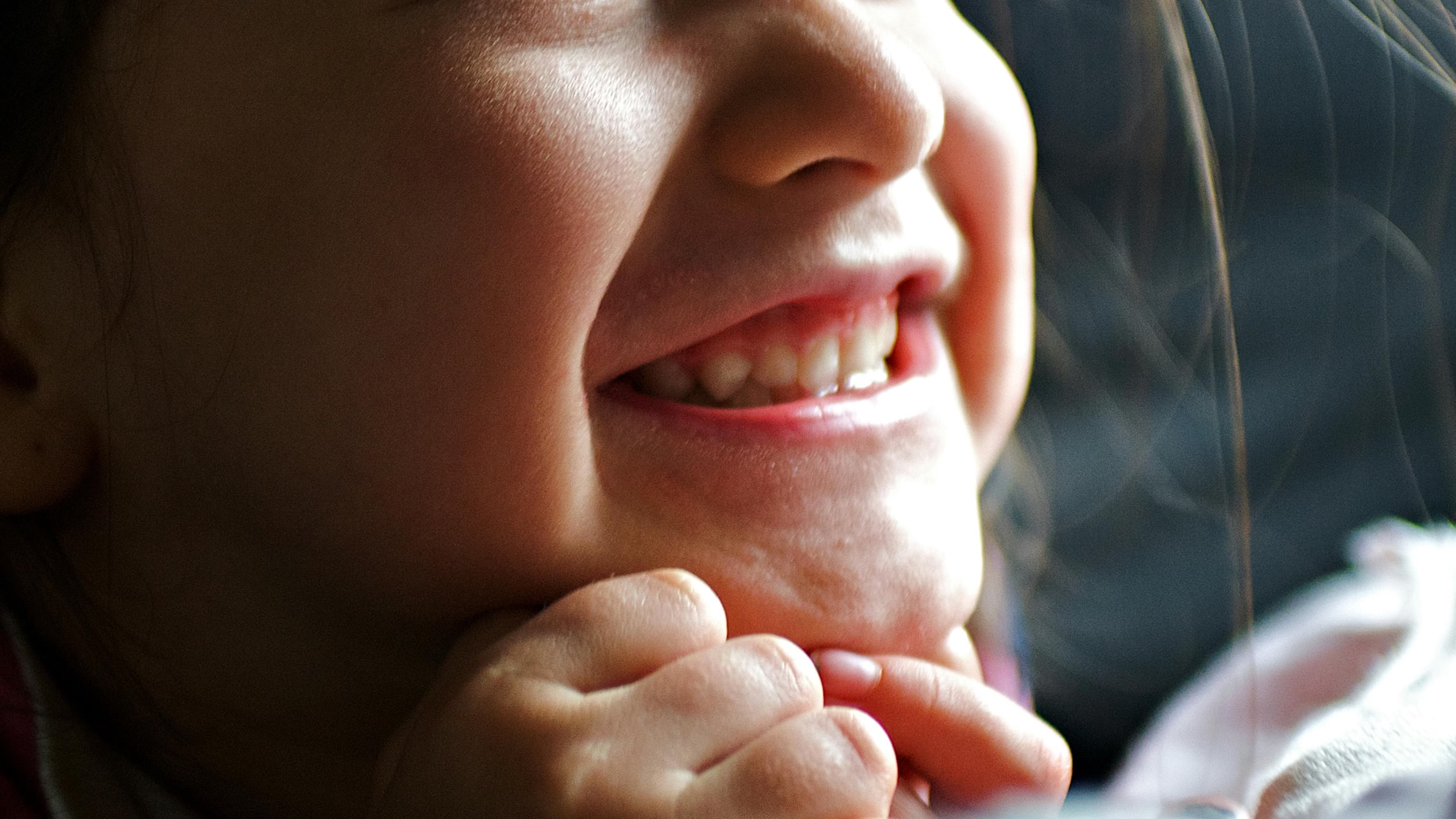
Back-To-School Dental Checkups Made Easy
The school bag is packed. Uniforms are ironed. Lunchbox is ready. But when did you last look inside your child’s mouth?
Most parents forget this step. Classes begin, homework piles up, and somewhere between maths and lunch breaks, a small cavity turns into a painful problem. Then comes the call from school. Your kid cannot eat. Cannot focus. Needs to see a dentist right away.
Back-to-school season is the perfect moment to avoid this scene entirely.
Why These Checkups Actually Matter
School life changes how children eat. Between classes, they grab packaged snacks. During lunch, they rush through meals. After school, friends share sweets and chips. Brushing becomes rushed or skipped entirely.
In South India, including Pondicherry, early childhood cavities affect roughly 40 percent of kids. That number climbs during the academic year. Festival treats, bottled milk left in school bags, and sticky local sweets like jalebis all feed the bacteria that rot young teeth.
A checkup before school starts catches problems early. A tiny cavity takes ten minutes to fix. The same cavity ignored for six months becomes a root canal or an extraction. That means pain, missed classes, and a frightened child.
What Happens During the Visit
The dentist starts with a visual exam. They look at every tooth surface. They check gums for redness or swelling. They notice habits like mouth breathing or thumb sucking that affect jaw growth.
Next comes a gentle cleaning. Not the deep scraping adults get. Just removal of soft plaque and food debris. The hygienist shows your child how to hold a brush properly. Kids learn better from someone who is not a parent.
X-rays happen only if needed. Hidden cavities between teeth or under old fillings do not show up in a simple look. Small x-rays capture these problem areas with minimal radiation. Modern machines make it faster and safer than older film-based x-rays.
Fluoride varnish gets painted onto teeth. This takes thirty seconds. It tastes like bubblegum or fruit. The fluoride soaks into enamel and strengthens it against sugar attacks. One application lasts several months.
The dentist also checks growth patterns. Crooked teeth or crowded arches become obvious by age seven or eight. Early detection means simpler braces later. Sometimes a small appliance worn for a few months prevents years of orthodontic treatment.
How to Prepare Your Child
Morning appointments work best. Kids wake up rested and cooperative. Afternoon slots mean tired, cranky children who have already eaten lunch and maybe napped badly.
Read a dental storybook a few days before. Several Indian publishers make books about visiting the dentist. Characters with names like Rohan or Priya go through the exam step by step. Your child recognizes the routine when they see it in real life.
Practice opening wide at home. Say ahh while looking in a mirror. Make it a game. Who can keep their mouth open the longest? Who can show all their teeth at once?
Do not bribe with sweets. Parents say things like “if you are brave, you get a chocolate.” This teaches children that dentistry is scary enough to require rewards. Instead, praise effort. “You sat so still. I am proud of you.” That works better.
Avoid words like pain, shot, or drill. Dentists use different terms. Sleepy gel for numbing. Mr. Whistle for the suction. Tooth counter for the explorer. Let the professional handle the language.
What Pondicherry Parents Should Know
Local clinics offer child-friendly spaces. Bright colors. Cartoons on the ceiling. Small chairs and smaller tools. Some have play areas in the waiting room. These details reduce anxiety before the exam even starts.
The first visit should happen by age one. Not age three. Not when the child complains of pain. By age one. The dentist checks emerging teeth. Advises on bottle use. Shows you how to clean those tiny gums. This prevents problems instead of fixing them later.
Follow-up every six months. Not once a year. Six months matches how fast cavities grow in children. Their enamel is thinner than adult enamel. Decay moves quickly.
Before Pongal season, cavities spike. All those sweets and sticky rice dishes leave residue. Schedule a checkup in October or November. Then another in March after festival season ends.
Simple Home Habits That Help
Limit sweets to mealtimes only. A jalebi after lunch causes less damage than a jalebi at 4 PM alone. Saliva production peaks during meals. That saliva washes away sugar.
Replace packaged juice with water. School lunchboxes should have a water bottle, not a juice box. Juice bathes teeth in sugar and acid for hours.
Give crunchy vegetables for snacks. Carrot sticks. Cucumber slices. An apple cut into wedges. These scrub tooth surfaces while children chew. Much better than biscuits or chips.
Watch for night-time bottle use. Milk pooling around teeth while sleeping causes severe decay. If your toddler needs a bottle at night, fill it with water only.
The Bottom Line
A back-to-school dental checkup takes thirty minutes. It costs little compared to emergency treatment. It saves your child from pain and missed school days.
More importantly, it teaches something valuable. Dental visits are normal. They are not scary. They are just what families do before a new school year starts.
That lesson lasts a lifetime.