Diabetes Starts in the Mouth? Don't Make This Mistake
When monitoring their blood sugar, most individuals don’t consider this: your toothbrush may be just as crucial as your insulin.
Doctors have known for years that diabetes affects nearly every part of your body. But the mouth? That connection still surprises people. In Pondicherry, where diabetes rates hover around 10 to 15 percent, this link matters more than you’d think.
Why Your Gums Matter for Blood Sugar
Let’s get one thing straight from the start. High blood sugar doesn’t just make you tired or thirsty. It changes how your mouth works.
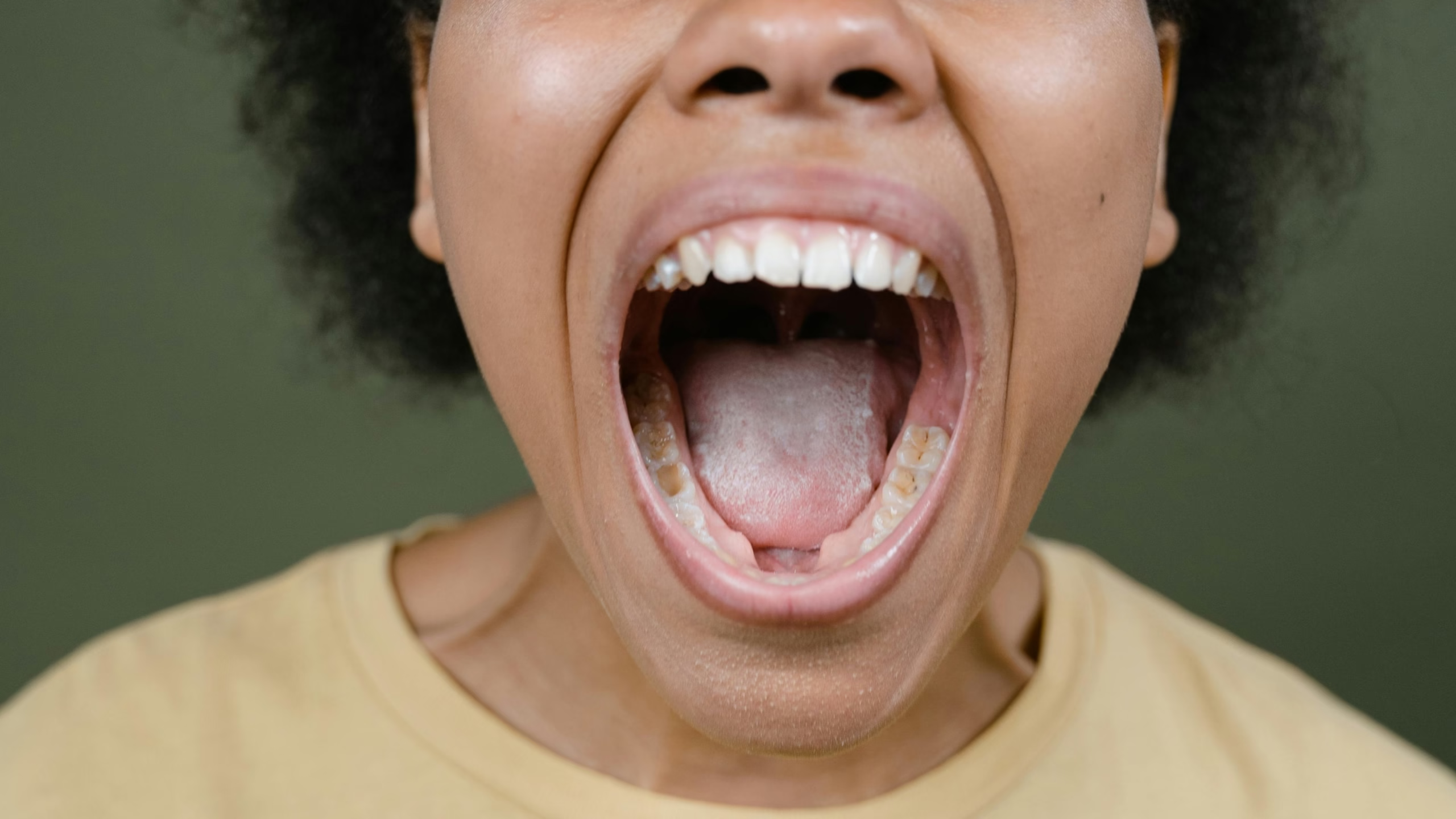
When sugar levels stay high, your saliva flow drops. Less saliva means less protection for your teeth. Your mouth gets dry. Bacteria have a field day. And your body’s ability to fight infections? That takes a hit too.
This explains why gum disease is two to three times more common in diabetics than in non-diabetics. Additionally, if they require dental work, they may have more cavities, infections, and poorer healing.
But here’s where it gets interesting-and a bit frustrating. The problem works both ways.
Gum disease makes it more difficult to regulate blood sugar. When your gums are infected, your body stays in a constant state of inflammation. Even when you eat healthily and take your medications, the inflammation interferes with insulin, causing your blood sugar to rise.
Studies from India show that 50 to 70 percent of diabetics have serious gum issues. And those gum issues are directly tied to poor HbA1c numbers. It’s a loop. High sugar hurts your gums. Bad gums raise your sugar. Round and round it goes.
What’s Happening in Pondicherry Right Now
You’d think with numbers this high, everyone would know about the mouth-diabetes connection. But they don’t.
Local research found that only 36 percent of diabetics in Pondicherry understand that their oral health affects their diabetes. That’s roughly one in three people. The other two are missing a piece of the puzzle that could actually help them manage their condition better.
The good news? Things are changing.
Government hospitals like MGPGI have started bringing endocrinologists and dentists together. Instead of treating diabetes and dental health as separate issues, they’re looking at the whole picture. You go in for one thing, they check the other.
Private clinics are following suit. Places like Prime Dental and Oricum Dental now offer packages that combine oral exams with diabetes counseling. Walk in for a cleaning, walk out with a better understanding of how your mouth affects your sugar.
Pondicherry is also seeing the introduction of tele-dentistry. Remote consultations help identify issues early for those who are unable to visit a doctor. Because paying a little now is preferable than paying a lot later, some programs are even exploring microinsurance that covers preventive dental appointments.
Wellness Trends for 2026
Dentists have been preaching this for decades, and the larger wellness community is finally catching up.
Nowadays, oral health is being discussed as a crucial component in preventing non-communicable diseases. That’s a fancy way of saying that maintaining your dental health can help you avoid long-term illnesses like diabetes and heart disease.
Public campaigns are pushing this message harder than ever. Social media posts, community health drives, workplace wellness programs-they’re all starting to include dental health in the conversation.
AI-led diagnostics are another trend hitting the dental world. Some clinics are using smart tools to spot early signs of gum disease or cavities before they become big problems. Fully digital workflows mean faster appointments and better tracking of your oral health over time.
This implies there are options for Pondicherry’s health-conscious population. Managing your diabetes and seeing the dentist are not mutually exclusive.
Practical Tips You Can Actually Use
Instead of brushing harder, brush smarter. Use fluoride toothpaste twice a day. Choose a brush with soft bristles if you have diabetes. Your gums may be harmed by hard bristles, and excessive blood sugar prolongs the healing process. Despite the initial annoyance, floss every day. Plaque enjoys lurking in the spaces between teeth.
Rinse with purpose. Mouthwashes with antibacterial properties aid in reducing harmful microorganisms. If dry mouth is a problem-which is frequently the case with diabetes-look for alcohol-free solutions.
Regularly visit your dentist. Depending on what your dentist suggests, every three to six months. Share your HbA1c results with them. This helps them schedule your cleaning and identify issues early, so it’s not nosy.
Stay hydrated as if it were your job. Not only is dry mouth painful. It doesn’t safeguard your teeth. Keep a bottle of water with you. Drink all day long. Sugar-free gum can help you produce more saliva if you need it.
Control your blood sugar levels. This may seem apparent, but it’s important to reiterate. Follow your plan, whether it is diet, exercise, or medication. Improved gums, saliva, and healing are all correlated with higher sugar levels.
For Pondicherry Locals
There are resources that can assist you.
In addition to providing reasonably priced care, government hospitals are increasingly integrating diabetic and dentistry services. For those managing both illnesses, private clinics such as Prime Dental, Oricum Dental, and Nova Dental offer packages.
Community health drives happen regularly. Keep an eye out for NCD screening camps-they often include dental checks now.
Products for diabetics’ dental health are available from Himalaya Wellness and other regional companies. Alcohol-free mouthwashes and mild toothpastes are examples of products that won’t further dry up your mouth.
Small Changes Add Up
It’s not necessary to completely change your habit in a single day. However, little changes have an impact.
Brush a little longer. Drink more water. Book that dental appointment you’ve been putting off. Ask your doctor about your mouth next time you’re checking your sugar.
The mouth-body connection is real. For people in Pondicherry dealing with diabetes, ignoring your teeth means making your diabetes harder to manage. Paying attention to them? That’s one more tool in your kit.
And in a place where diabetes touches so many lives, every tool counts.