
Aligners Vs Bracers. Here’s How To Pick Your Ultimate Choice
There is more to a straight grin than just appearances. Teeth that are properly aligned are simpler to clean, chew more effectively, and put less pressure on the jaw. Braces and aligners are often the two solutions that spring to mind when individuals consider correcting misaligned teeth. Both are safe and efficient, yet they serve distinct purposes and function differently. It can be difficult to decide between them, particularly if you don’t understand how each one functions.
To make the decision more obvious, let’s examine both possibilities in plain language.
What Are Braces?
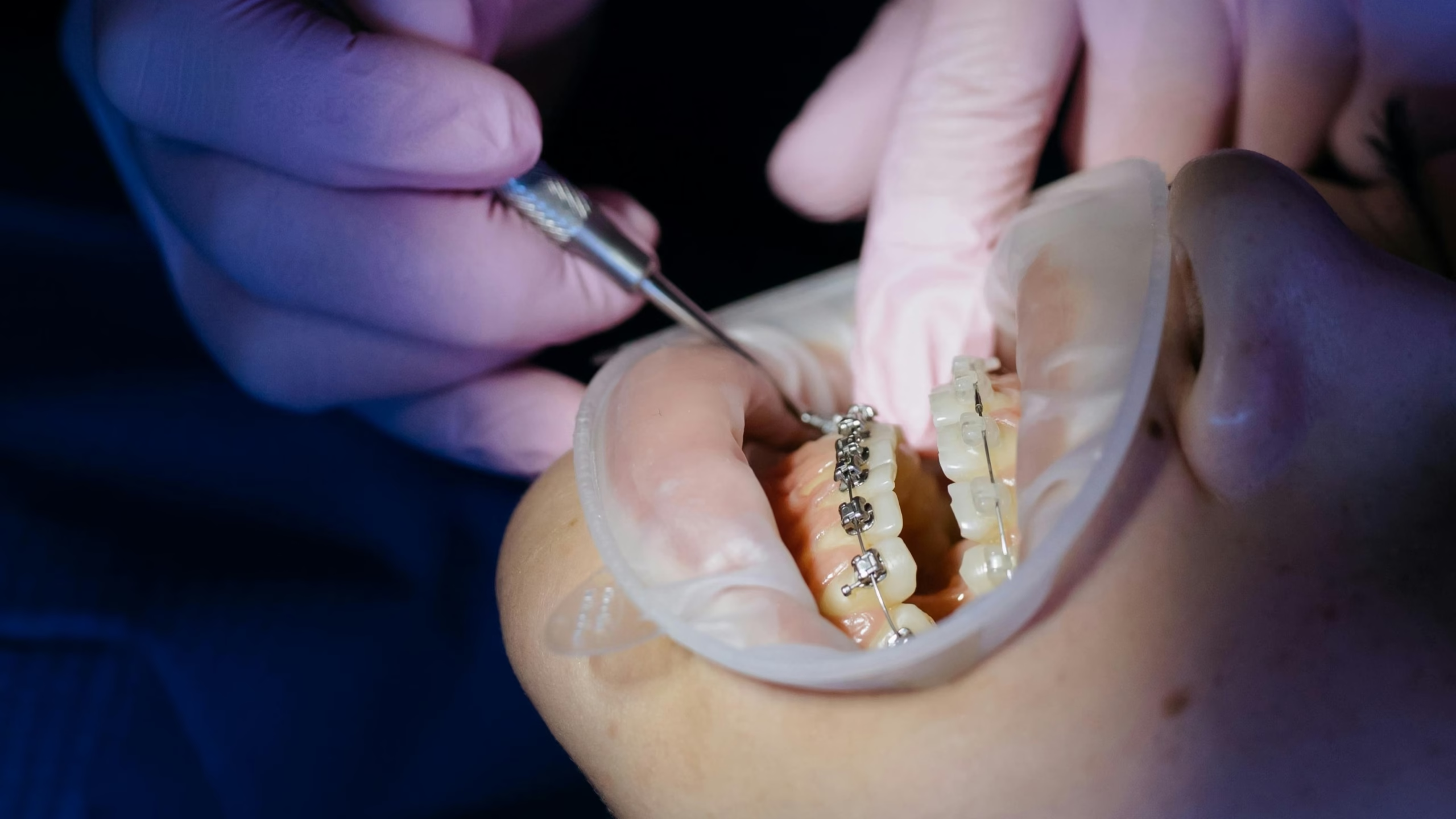
Braces consist of tiny ceramic or metal brackets that are affixed to the teeth. A wire that connects these brackets gradually shifts the teeth into more advantageous places. During follow-up appointments, dentists modify the wire to gradually guide the teeth.
Until the course of treatment is complete, braces remain on the teeth. For challenging situations, including teeth that are severely crowded, twisted, or widely separated, this makes them highly successful. They are also useful for adjusting the posture of the jaw.
The benefits of braces have been demonstrated for many years.
What Are Aligners?
Clear plastic trays called aligners are used to cover teeth. To gradually move teeth over time, they are produced to order and replaced every few weeks. People remove them when eating and brushing since they are detachable.
Many people choose aligners because they are nearly unnoticeable. Additionally, unlike wires, which may cause wounds within the mouth, they are smooth.
For mild to severe alignment issues, aligners are most effective. Braces may still be necessary in really complicated circumstances.
Comfort and Daily Life
After adjustments, braces may cause pain. Usually, this continues for several days. Particularly in the early phases, the brackets and wires may rub against the inside of the lips or cheeks.
When a new tray is started, aligners may also create pressure, but this pain is often minimal and transient. Mouth discomfort is less frequent since there are no sharp edges.
Braces require additional maintenance in daily life. Cleaning takes longer since food can become lodged in cables and brackets. Brushing and flossing are made easier by the removal of aligners.
Food Restrictions
Certain foods should be avoided when wearing braces. Chewing gum, sticky candies, and hard foods can loosen brackets or harm wires. During therapy, people with braces frequently need to modify their dietary habits.
There are no food restrictions when using aligners as trays are taken out before meals. To prevent food and bacteria from getting trapped within, it is crucial to brush them before wearing them again.
Treatment Time
Depending on the issue, both solutions may require comparable amounts of time. While some cases can be completed in as little as six months, others may take up to two years.
Because braces are always on the teeth, they are always in use. Aligners are only effective when worn correctly. They need to be worn for 20 to 22 hours per day for optimal effects. Treatment may take longer if the patient forgets to wear them.
Cost Differences
Braces and aligners can cost different amounts depending on the clinic, the materials used, and the complexity of the case.
Conventional metal braces are frequently less costly. Because ceramic braces complement tooth color better, they may be a little more expensive. Because of computerized planning and specialized manufacture, aligners might be more expensive.
After examining the teeth and making treatment plans, a dentist may provide the precise cost.
Effectiveness for Different Problems
Almost all alignment problems may be resolved with braces. In addition to straightening teeth, they may treat bite issues and shift teeth in various orientations.
Aligners are useful for small rotations, gaps, and minor crowding. Not all issues can be resolved using trays alone, but certain sophisticated systems are able to handle more complicated scenarios.
When significant tooth movement or jaw position is required, dentists frequently recommend braces.
Cleaning and Oral Health
It takes extra work to clean braces. To clean around brackets and cables, special brushes and flossing instruments can be required. Plaque accumulation can result tooth discoloration and gum issues if it is not properly cleansed.
Brushing and flossing remain unchanged with aligners. The removal of the trays makes maintaining a clean mouth easy.
But in order to avoid bacterial growth and odor, aligners also need to be cleaned every day.
Age and Lifestyle Factors
Either approach can be used by adults or teens. Generally speaking, age is not a decisive factor. Discipline and lifestyle are more important.
Aligners must take accountability. Progress is slowed if trays are not worn frequently or are misplaced frequently. Since braces are cemented in place, they are independent of the patient’s habits.
Mouth guards with braces may be necessary for athletes who participate in contact sports. When necessary, aligners can employ safety shields and remove trays.
Follow-Up Visits
Braces need to have their wires adjusted on a regular basis. To direct tooth mobility, these visits are crucial.
Checkups are also necessary with aligners, but because there are no wires to replace, visits could be quicker. Depending on the situation, several aligner systems permit fewer in-clinic appointments.
After Treatment Care
Both techniques require retainers to prevent teeth from moving back once they are straight. Depending on the dentist’s recommendation, retainers may be fixed or detachable.
Regardless of the technique, wearing retainers is crucial.
Final Notes
There isn’t a single ideal option for everyone. Braces are robust, dependable, and appropriate for many kinds of alignment issues. Aligners are attractive to those seeking a covert solution since they are comfortable, detachable, and almost undetectable.
A dental examination is the greatest approach to make a decision. The best solution for your teeth, bite, and daily routine may be explained by a dentist. Both braces and aligners can provide long-lasting, straight teeth with the correct plan and consistent maintenance. Visit our dental clinic in pondicherry for a consultation today!